A Living Legacy
Over 100 years of design culture, always evolving.
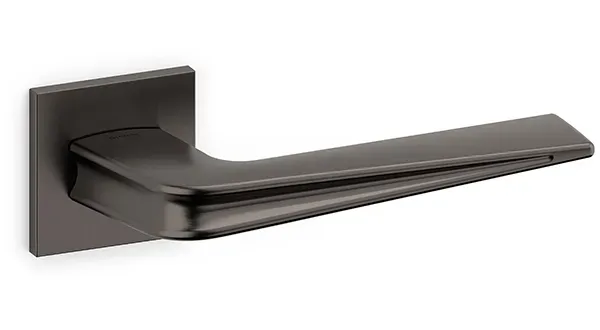
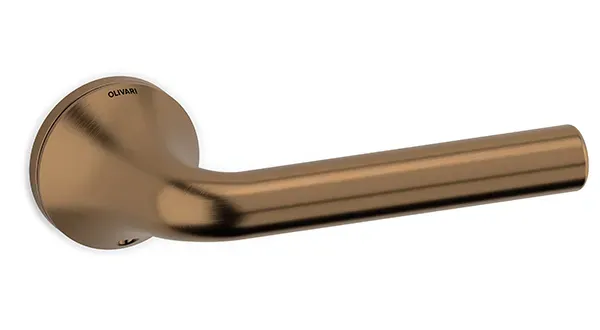
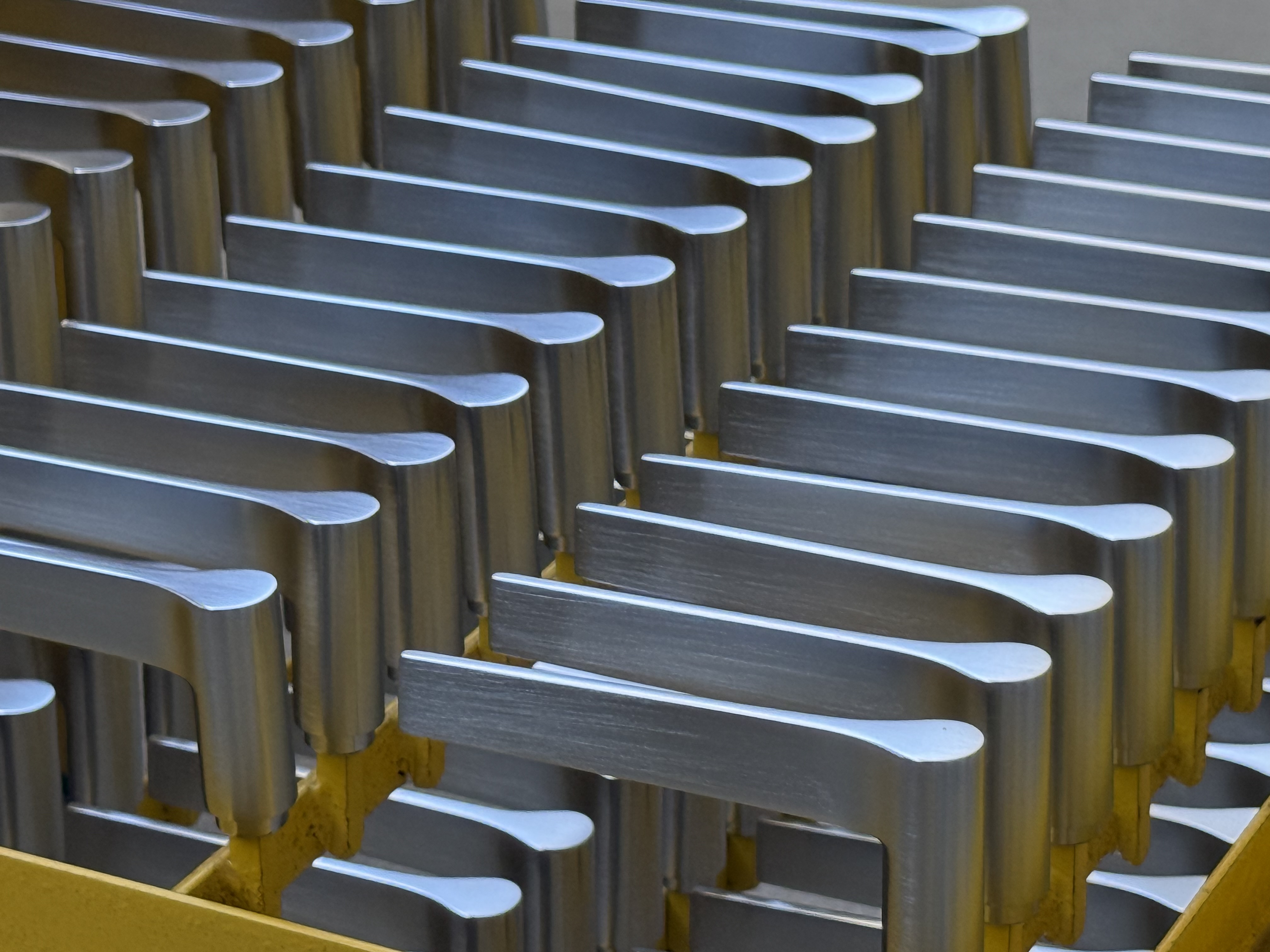
For over a century, Olivari has contributed to the evolution of the designer door handle through an ongoing dialogue with some of the world's leading architects and designers. Every collaboration begins with the meeting of a creative vision and manufacturing expertise developed over generations, giving life to collections that have accompanied the evolution of modern and contemporary architecture.
Many handles originally designed for specific buildings have become part of the Olivari collection and are still produced today. Others have helped define new design languages, becoming international references and, in some cases, true archetypes of the designer door handle. These are objects that have accompanied generations of architects and designers while preserving their ability to engage both with architecture and with the everyday gesture of opening a door.
This is Olivari's Living Legacy: a design culture built through dialogue with the great masters of twentieth-century architecture and today's leading designers. A heritage that continues to evolve through new collaborations, new architecture and new ideas, keeping alive the conversation between creativity, industry and research that has distinguished every Made in Italy door handle by Olivari for more than one hundred years.
A Catalogue that Reflects the History of Architecture
The collaborations that have shaped the Olivari catalogue tell the story of the evolution of architecture through the language of the designer door handle. Every era has introduced new ideas, new sensibilities and new protagonists, interpreting the relationship between function, form and space according to the culture of its time.
From the first collaborations with the masters of Italian Rationalism to today's global architectural scene, the Olivari catalogue reflects more than ninety years of continuous dialogue between architects, designers and Italian manufacturing, contributing to the international recognition of Made in Italy through design and architectural culture.
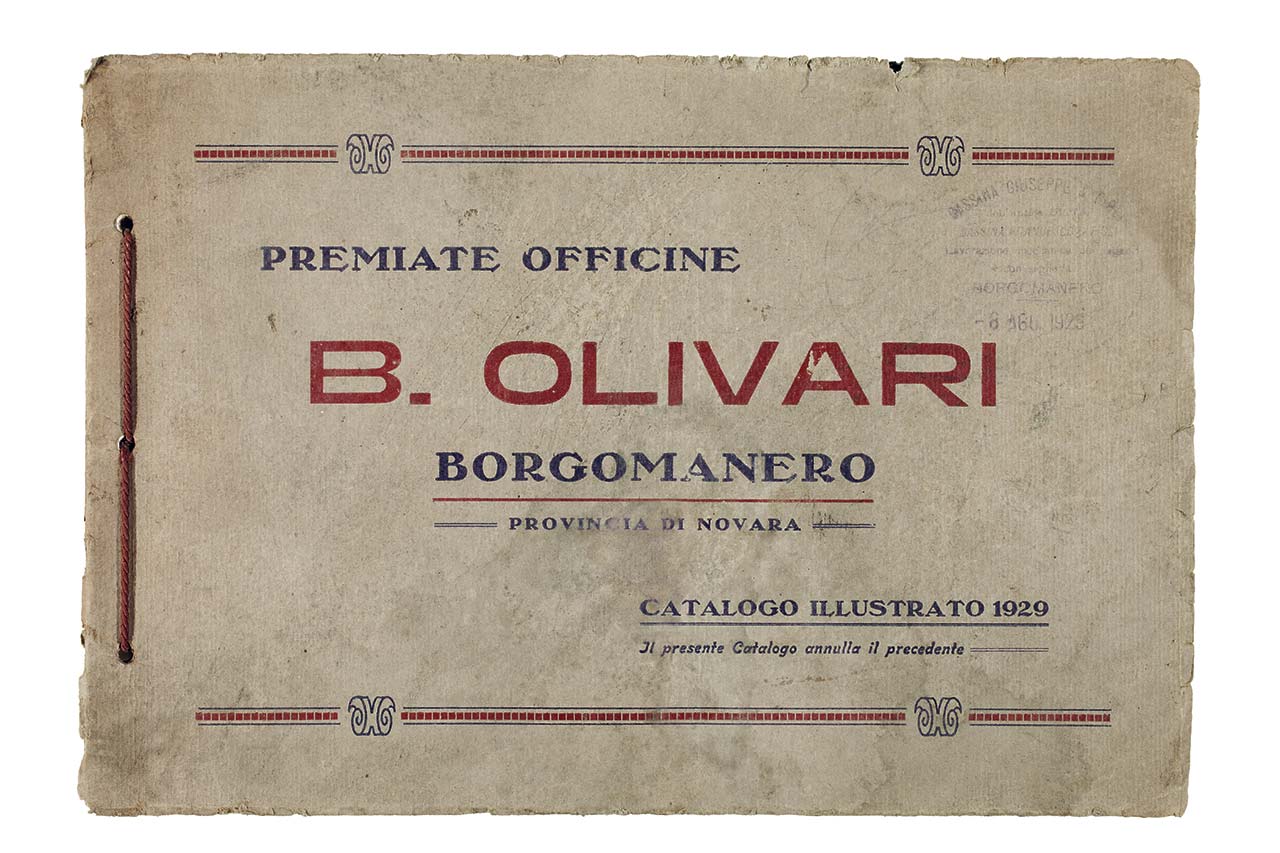
Modern architecture establishes a new design language.
Between the 1920s and the 1940s, Rationalism and Modernism introduced a new architectural vision founded on compositional clarity, functionality and coherence between form and construction.
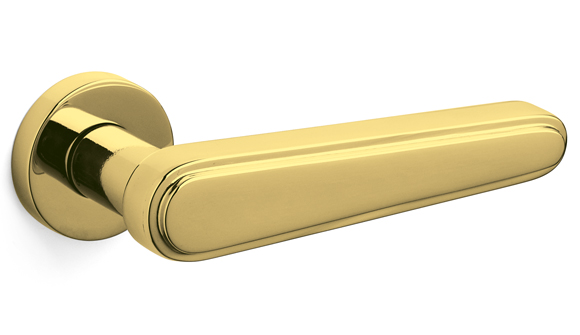
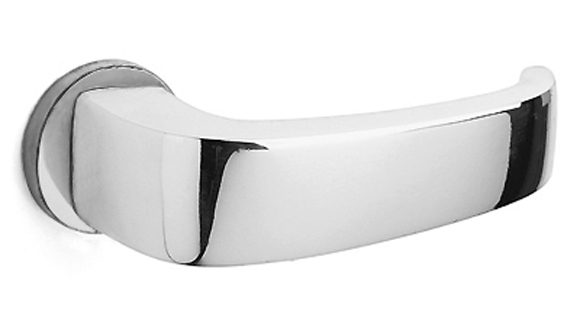
It was during this period that the relationship between Olivari and Italy's leading architects began, with door handles conceived as an integral part of the architectural project rather than as independent hardware. The collaborations with Marcello Piacentini and Gio Ponti marked the beginning of a design culture that would shape the company's identity for more than a century.
The detail becomes an expression of architecture.
In the years following the Second World War, Italy's reconstruction became a fertile ground for architectural experimentation. Details assumed an increasingly important role, and the door handle emerged as an architectural element deserving the same design attention as spaces, materials and proportions.
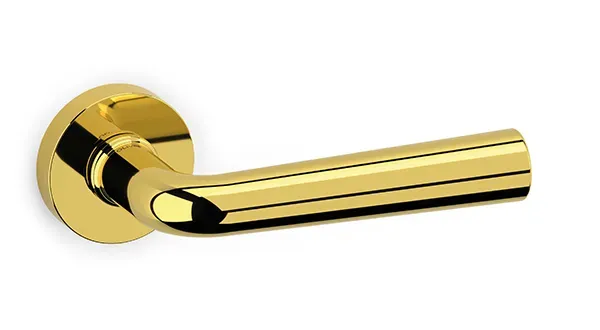
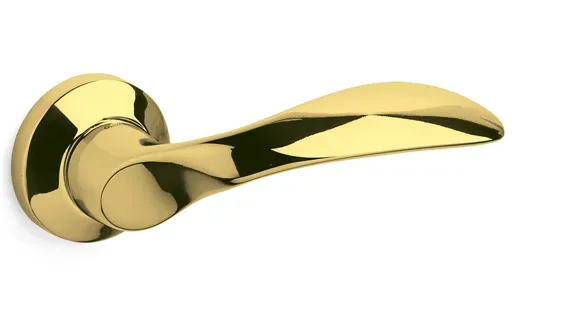
Collaborations with Franco Albini, BBPR, Ignazio Gardella, Luigi Caccia Dominioni and Angelo Mangiarotti gave rise to designs that continue to define the language of the contemporary designer door handle.
The door handle becomes a design product.
During the 1960s and 1970s, industrial design expanded the dialogue between creativity and manufacturing. The door handle was no longer conceived exclusively for individual buildings, but evolved into a product capable of interpreting new ways of living while reaching an international market.
Alongside renowned architects, Olivari collaborated with designers including Joe Colombo, Sergio Asti, Marcello Nizzoli, Giotto Stoppino and Enzo Mari, supporting this evolution through significant technological and manufacturing innovations.
New design languages for an international vision.
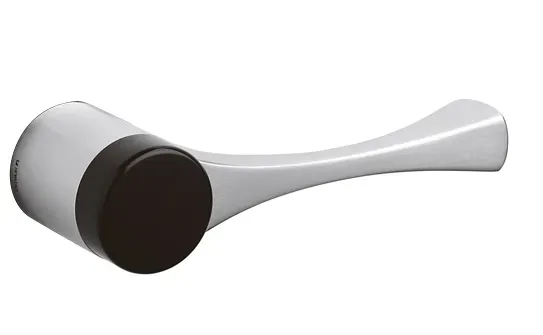
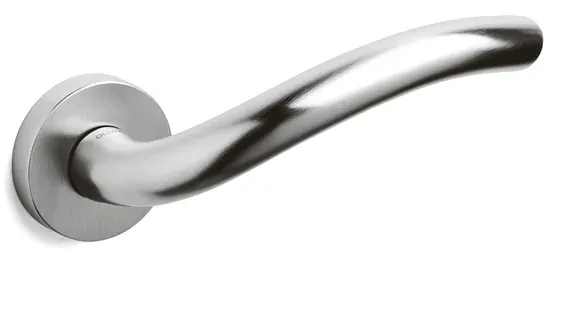
Throughout the 1980s and 1990s, design became increasingly international. Architects and designers from different cultural backgrounds introduced new forms, new geometries and fresh interpretations of everyday objects.
Through collaborations with Alessandro Mendini, Richard Sapper, Andrea Branzi, James Irvine, Rodolfo Dordoni, Oscar Tusquets and many other leading designers, Olivari strengthened a design culture capable of combining research, innovation and Italian manufacturing excellence.
Italian manufacturing serving contemporary architecture.
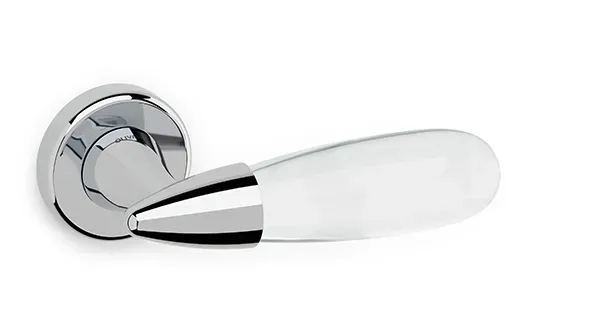
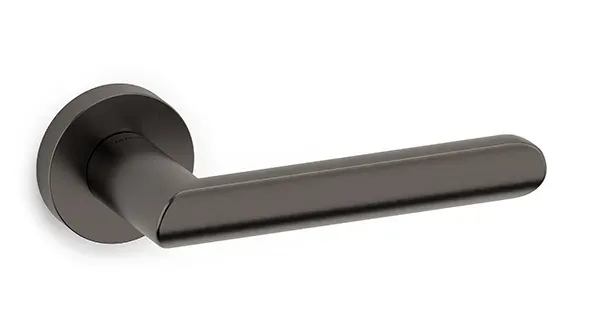
In the new millennium, Olivari's dialogue expanded to include many of the world's leading architects. Collaborations with Toyo Ito, Shigeru Ban, Daniel Libeskind, Steven Holl, Zaha Hadid, Herzog & de Meuron, Philippe Starck, Patricia Urquiola, Snøhetta and many others reaffirm Olivari's role as a design partner for architects and designers across the globe.
Italian manufacturing continues to place its technical expertise at the service of creativity, contributing to the ongoing evolution of the designer door handle within contemporary architecture.