Our Story
Made in Italy Door Handles Since 1911
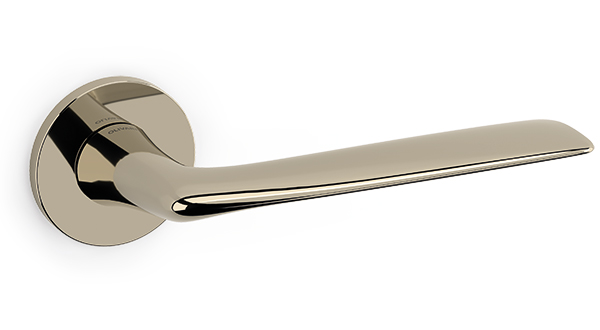
Since 1911, Olivari has been designing and manufacturing Made in Italy door handles entirely in its own facilities in Borgomanero, where every stage of production is carried out in-house. From solid brass processing to final assembly, each door handle is the result of a fully integrated manufacturing process that combines Italian craftsmanship, technological innovation and uncompromising quality control.
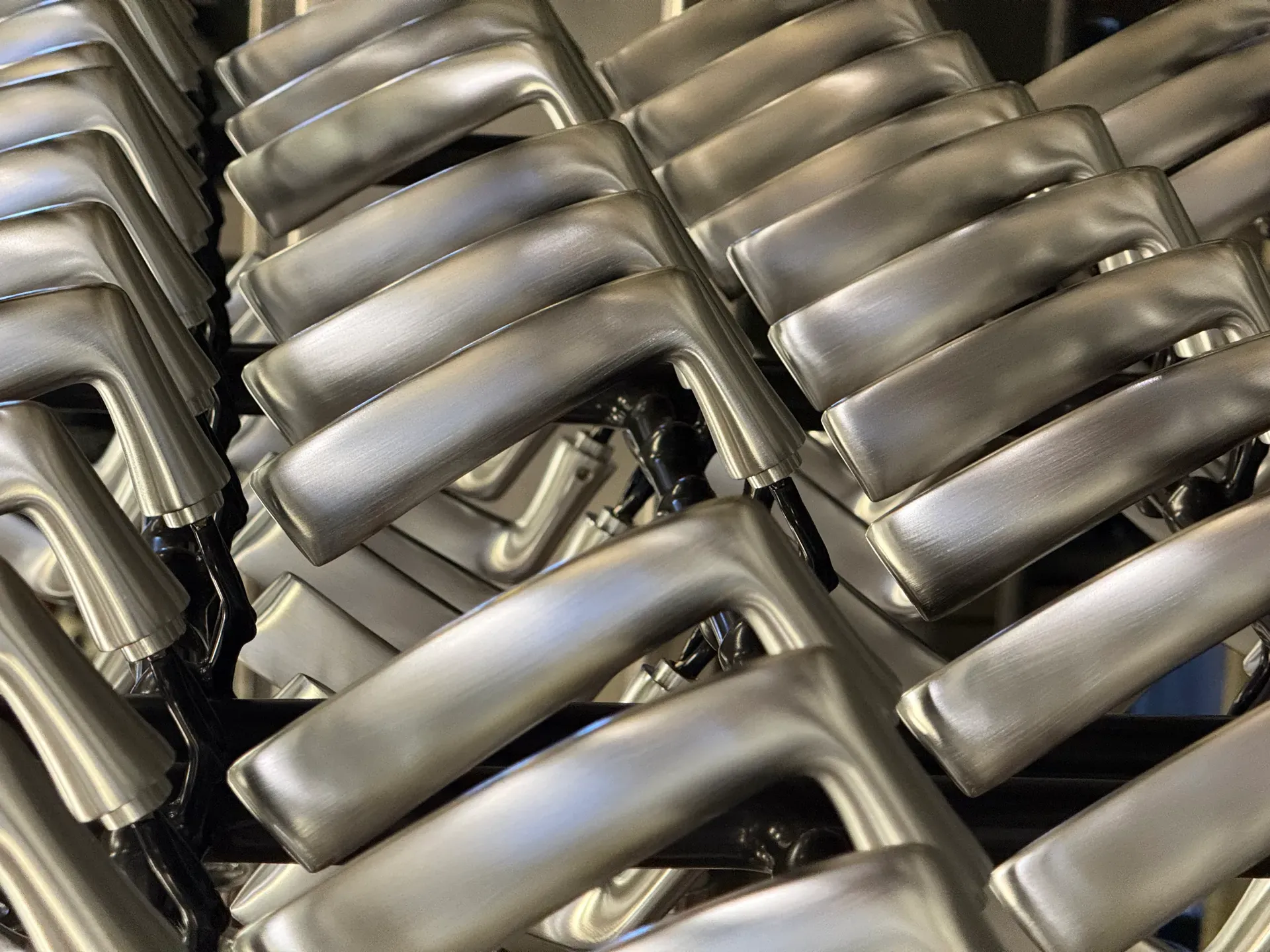
Crafted exclusively from solid brass, every Olivari door handle undergoes a meticulous production process that includes hot forging, precision machining, grinding, polishing, surface treatments and rigorous quality testing. ISO 9001 and ISO 14001 certifications reflect the company's ongoing commitment to quality, environmental responsibility and continuous improvement, preserving more than a century of manufacturing expertise while embracing innovation.
From the very beginning, Olivari has viewed the designer door handle as an integral part of architecture rather than a simple functional accessory. Every collection is developed through collaboration with internationally renowned architects and designers, transforming an everyday object into a refined architectural detail that shapes the relationship between gesture, material and space. This vision—passed down through generations of the Olivari family—has established the company as one of the world's leading manufacturers of Italian designer door handles, combining architectural culture, industrial excellence and meticulous attention to detail.
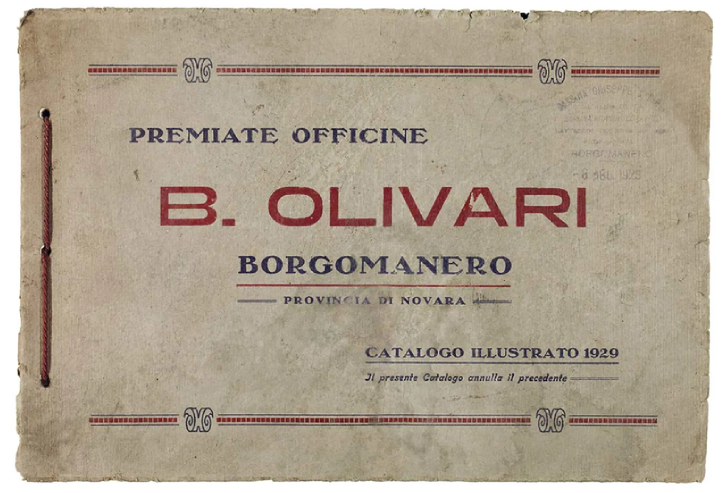
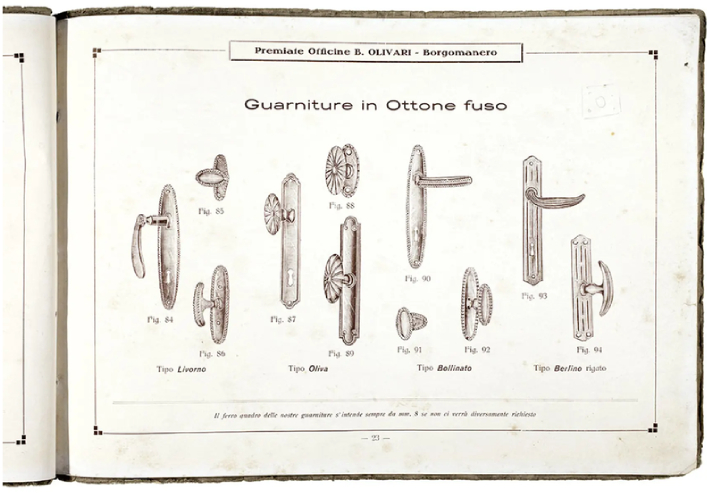

When the Door Handle Became Part of Architecture
In 1926, his wife, Antonietta Ramelli, succeeded him, taking over the leadership of the family business. She was one of the first women to lead a company in Italy: a pioneer of female entrepreneurship.
During these years, the values that still define Olivari today began to take shape: industrial rigour, technical research and attention to detail.
As early as the 1930s, Olivari began collaborating with some of the most prominent Italian architects of the time, including Marcello Piacentini and Gio Ponti, leading figures in 20th-century Italian architecture. These collaborations introduced an innovative approach: developing designer door handles conceived to engage in dialogue with the architecture they belong to.

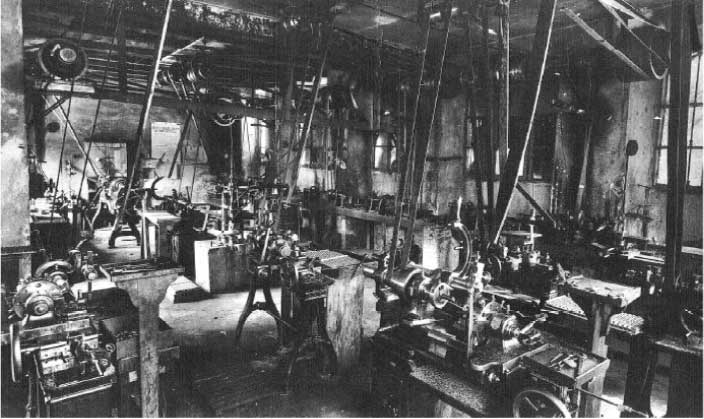

After the Second World War, Olivari continued its journey under the leadership of the brothers Ernesto, Ambrogio and Luigi, contributing to the country's reconstruction.
After the Second World War, Olivari continued its journey under the leadership of the brothers Ernesto, Ambrogio and Luigi, contributing to the country's reconstruction. As Italy rebuilt, the door handle took on a new role: no longer simply a functional element, but a detail capable of expressing the language of architecture.
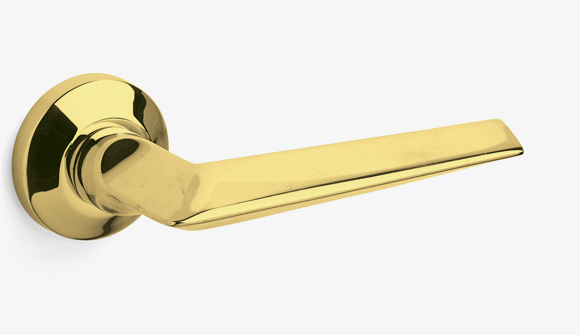
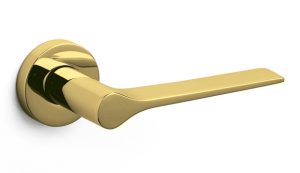
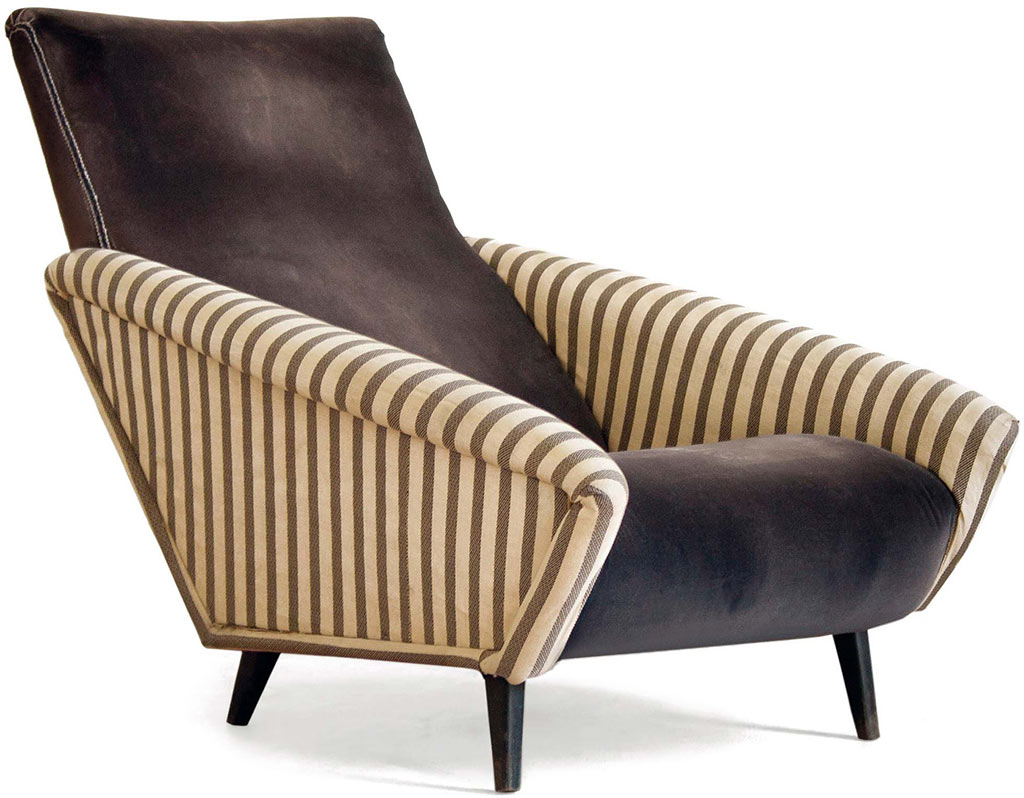
The collaboration with Gio Ponti grew stronger, leading to the creation of the iconic Lama handle, still one of the most representative designs in the Olivari collection. At the same time, new collaborations emerged with Franco Albini, Ignazio Gardella, Luigi Caccia Dominioni, Angelo Mangiarotti, Vico Magistretti and BBPR, leading figures in 20th-century Italian architecture..


Italian Design as a Laboratory of Innovation
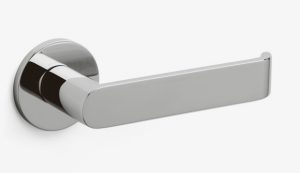
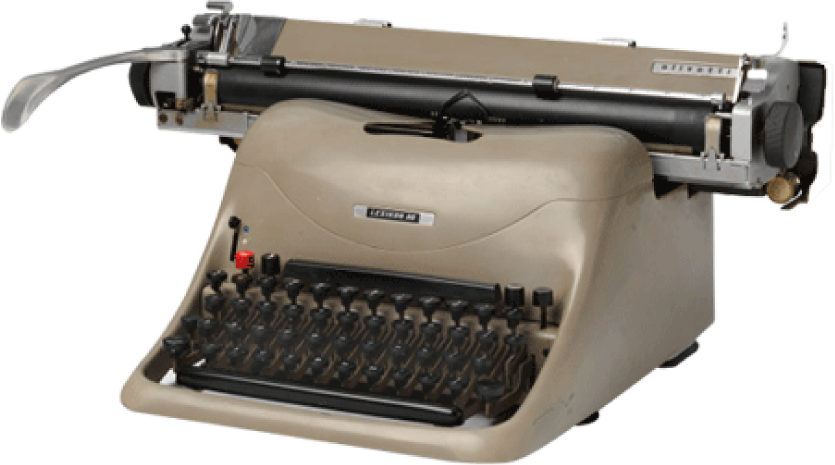
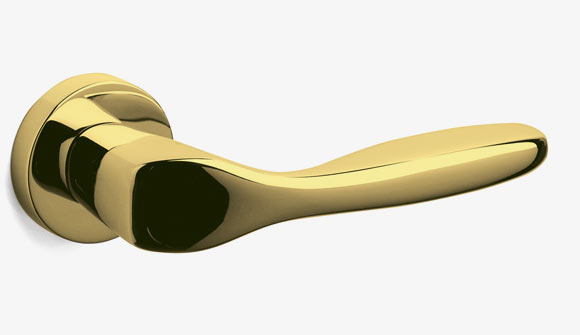
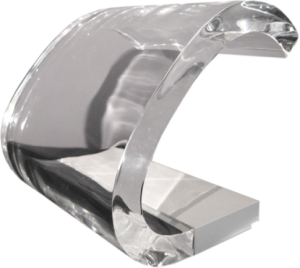
During the 1960s and 1970s, Italian design becomes an international benchmark, and Olivari plays an active role in this extraordinary period of experimentation. The company expands its dialogue with a new generation of designers, including Sergio Asti, Marcello Nizzoli, Joe Colombo and many others, transforming the door handle into a field of research where form, ergonomics, technology and industrial production come together.
At the same time, Olivari invests in technological research, introducing solutions ahead of their time. In 1959, it presents Bica, the first door handle made of anodised aluminium, while in 1972 it launches Boma, the first door handle made of coloured plastic. Two innovative projects that demonstrate the company's commitment to exploring previously uncharted materials, production processes and expressive possibilities.

A Growing Company with an International Vision
The 1980s mark a turning point in Olivari's history. With the arrival of the third generation of the family – Antonio, Giovanni, Giuseppe, Carlo and Enrico – the company strengthens its industrial identity and adopts an increasingly international outlook.
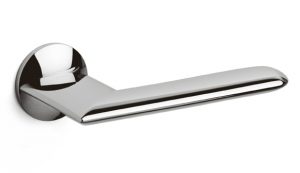
Alongside the continuous evolution of its production processes, Olivari expands its dialogue with leading figures in international design and industrial design. Designers such as Giorgetto Giugiaro, Ferdinand A. Porsche and Rodolfo Bonetto become part of the brand's history, creating new design door handles that express different design languages and enrich the company's design culture.
The Compasso d'Oro awarded to the Alessia collection, designed by Giotto Stoppino, recognises a journey built on design excellence and innovation.


History Becomes Design Culture
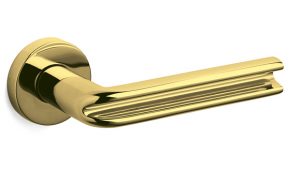
In the 1990s, Olivari takes a decisive step: its history becomes an integral part of its corporate vision. Through its dialogue with Alessandro Mendini, the company gains a deeper awareness of the cultural value built over more than eighty years of activity and chooses to present it as part of Italy's design heritage.
This reflection leads to the publication of L'architettura presa per mano. La maniglia moderna e la produzione Olivari, a book that goes beyond a corporate publication to document Olivari's contribution to the history of the door handle and contemporary architecture.
At the same time, Olivari expands its dialogue with some of the most influential figures in international design, including Paolo Portoghesi, Oscar Tusquets, Richard Sapper, Andrea Branzi and Massimo Iosa Ghini.
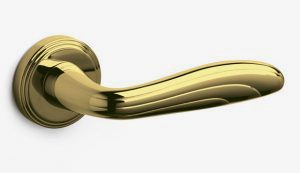
Research also extends to production technology. The introduction of hot forging replaces die casting, improving the precision, quality and performance of door handles.



Industrial Innovation and International Design Collaborations
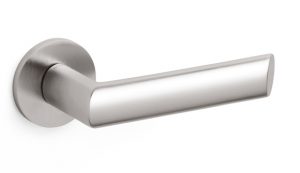
The 2000s mark a new phase of growth, in which technological innovation and design research progress hand in hand. Olivari invests in the evolution of its production processes and the development of increasingly high-performance finishes, expanding the expressive possibilities of the door handle.
This research leads to the development of BioChrome and SuperFinish, technologies that improve the resistance, durability and sustainability of surfaces, reaffirming the company's commitment to combining industrial quality with environmental responsibility.
The dialogue with international design and architecture grows stronger. Alongside leading figures of the Milanese design scene – Enzo Mari, Rodolfo Dordoni, Piero Lissoni, James Irvine and Patricia Urquiola – Olivari collaborates with architects such as Shigeru Ban, Steven Holl, Toyo Ito, Daniel Libeskind, Peter Marino and Dominique Perrault.
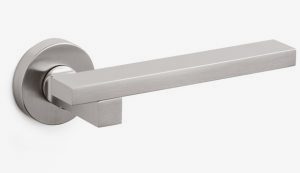
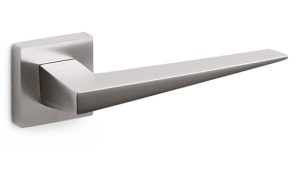
The Technical Department also develops new collections based on the geometry of the square, anticipating a design language that would go on to influence the entire door handle market.
The 2010s begin with the celebration of Olivari's centenary.
The book Macchina semplice. Dall’architettura al design. 100 anni di maniglie Olivari is presented at the symbolic setting of the Architecture Biennale in Venice.
At the same time, construction begins on the new Office Building, while the anniversary is celebrated with striking installations at the Salone del Mobile and the Triennale in Milan.
New collaborations are established with architects and designers from the international scene. The Olivari catalogue welcomes door handles designed by Zaha Hadid, Jean Nouvel, Ben van Berkel, Rem Koolhaas, Marcel Wanders, Ma Yansong and Ron Gilad.
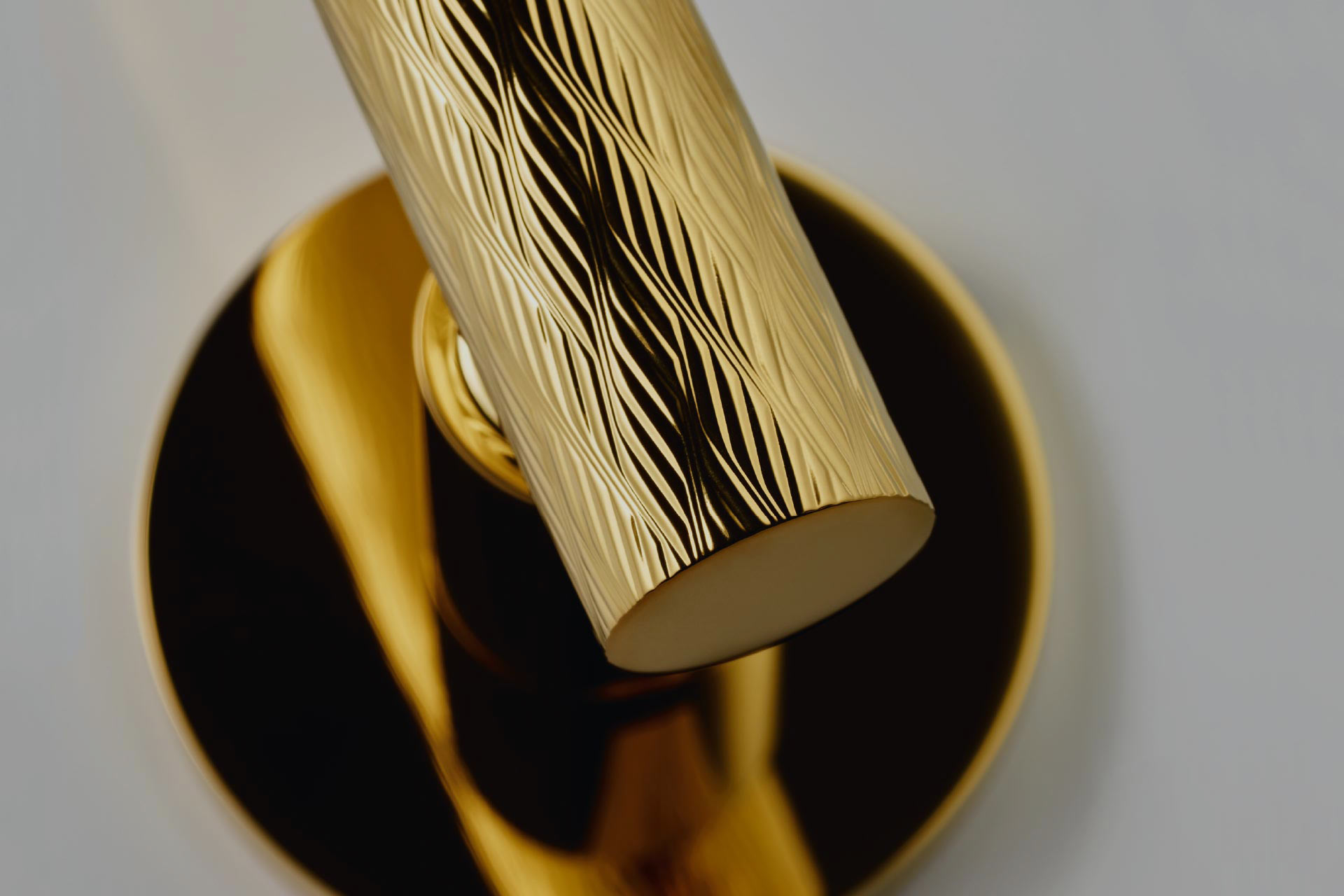
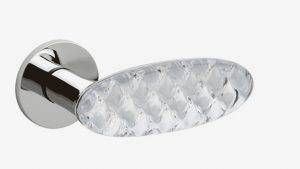
Olivari's research leads to two highly innovative developments. From a historical and cultural perspective, the Guilloché collection, the result of an exploration of surface qualities, introduces decoration as a new dimension in door handle design. From a technological perspective, the new range of SuperFinishes offers designers and admirers of Olivari handles further possibilities for creative expression.
The fourth generation joins the company
Since 2020, with the arrival of the fourth generation – Andrea, Giulio and Martina – working alongside the previous generation, Olivari continues its journey of growth and innovation, maintaining the continuity of its family heritage.
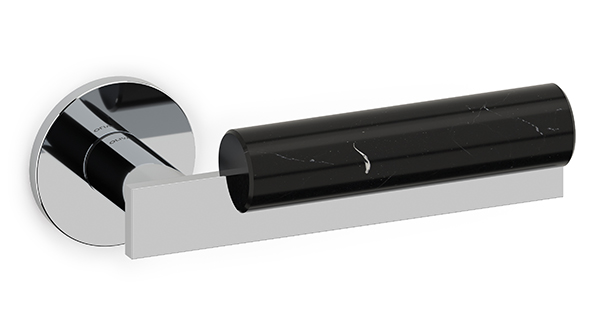
The Sinergie programme is launched, dedicated to creating special door handles that combine brass with fine materials such as marble, leather and wood, through collaborations with leading Italian companies including Henraux, Poltrona Frau and Riva 1920.
Collaborations with internationally renowned architectural practices, such as Snøhetta, Herzog & de Meuron, and Renzo and Matteo Piano, are further strengthened, alongside partnerships with leading designers including Michael Vincent Uy, Naoto Fukasawa and Philippe Starck.
A journey that renews the dialogue between industry, architecture, design and the culture of Italian craftsmanship.