Vico 100
Olivari celebrates 100 years of Vico Magistretti
On the occasion of the centenary of the birth of Vico Magistretti, we opened the archive and documented forty years of collaboration with the Milanese architect. Our research went far beyond the products in the catalogue. Drawings, samples, models and prototypes retrace the long 1956-2000 season.
in collaboration with Fondazione Archivio Vico Magistretti
60° Salone del Mobile – 5-10 September 2021
Guided tours of Torre al Parco
Organized by Olivari, in collaboration with Fondazione Archivio Vico Magistretti
Torre al Parco 1955
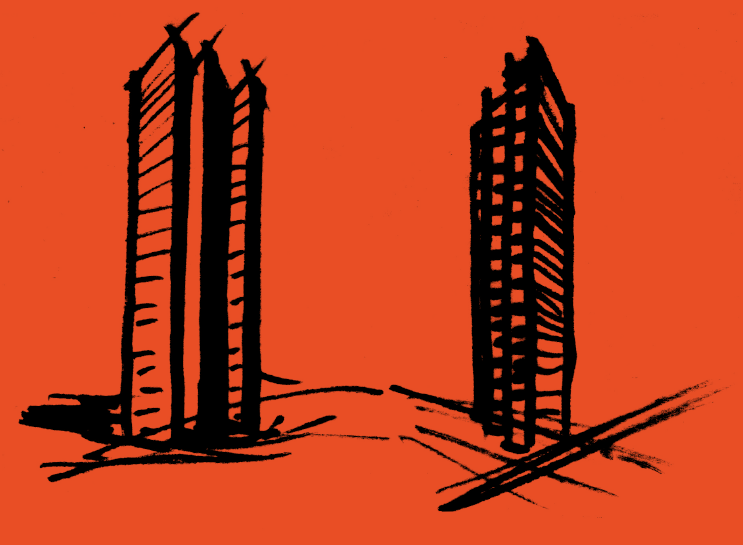
After a decade of experience on INA Casa residential projects, Magistretti tackled the “tall building” type for the first time: a 20-storey tower with a strongly original character that acts as a counterpoint to the Torre Littoria designed by Ponti in 1933. As was customary, the handles for doors and windows were designed too; Olivari produced them in 1955 and kept them in its catalogue until the 1980s.
Veio 1965
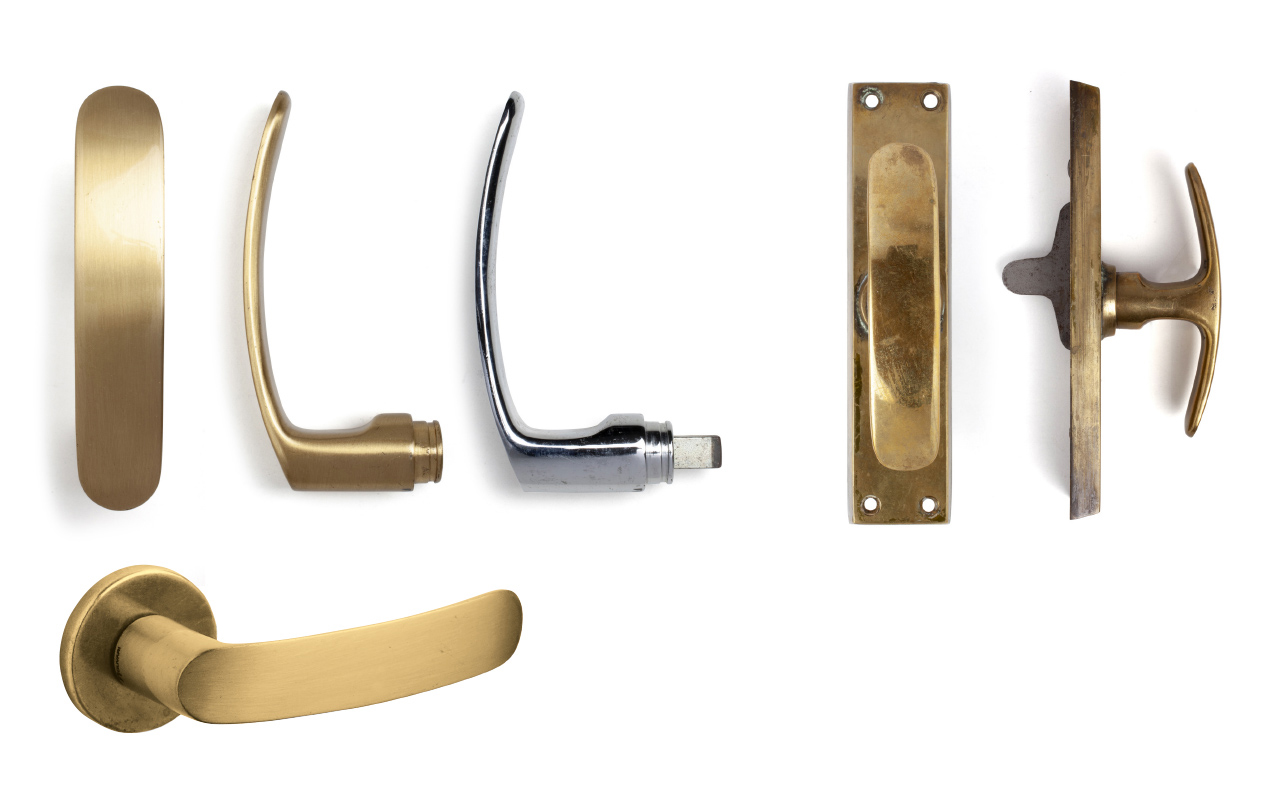
The Veio handle was produced by Olivari for Artemide until 1992. That year Antonio Olivari, in agreement with Ernesto Gismondi, contacted Vico Magistretti to propose including the handle in the Olivari catalogue. Magistretti, convinced that the object was out of date, proposed and designed the Sibilla handle for Olivari in 1992.
Sibilla 1992
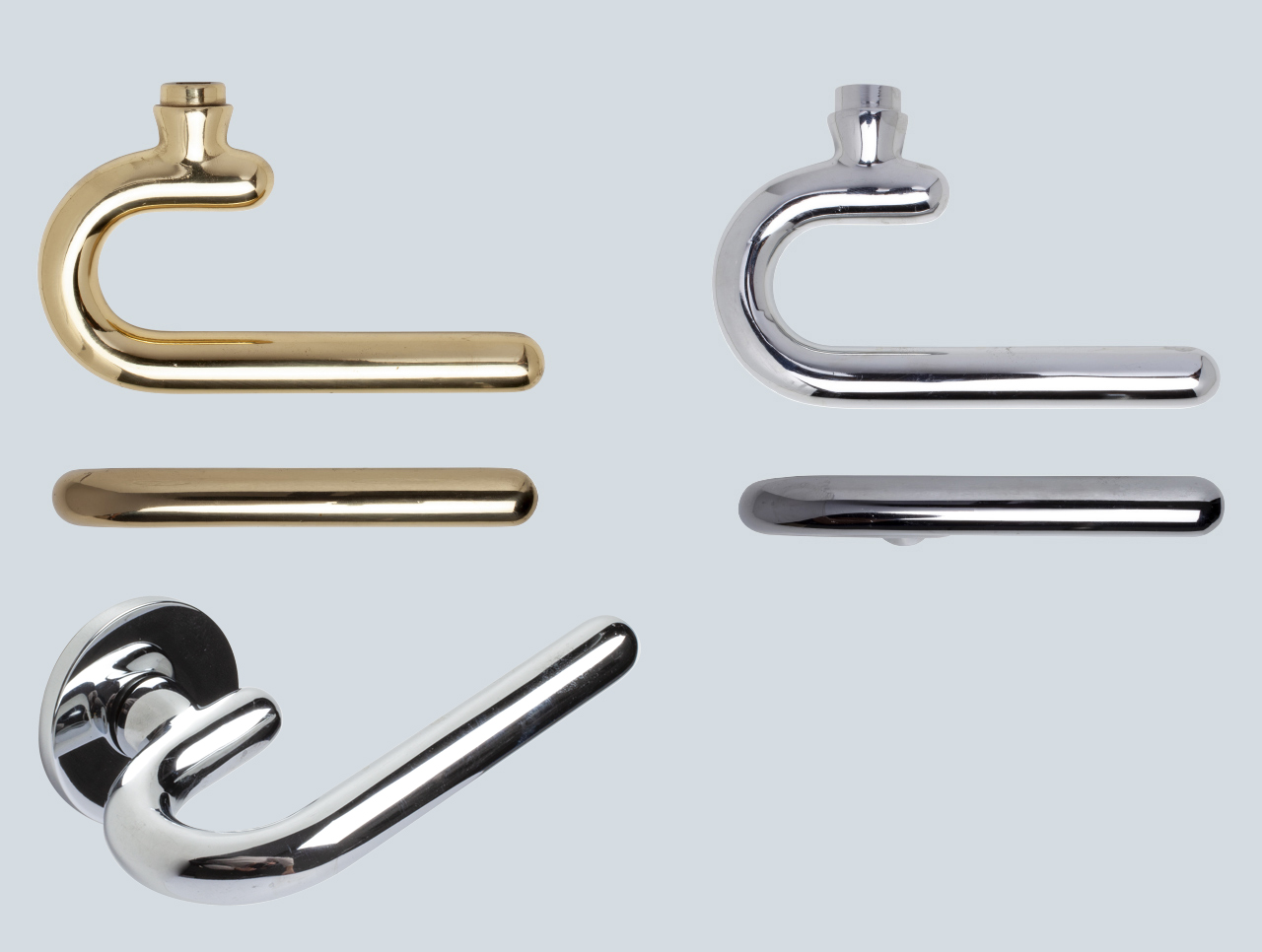
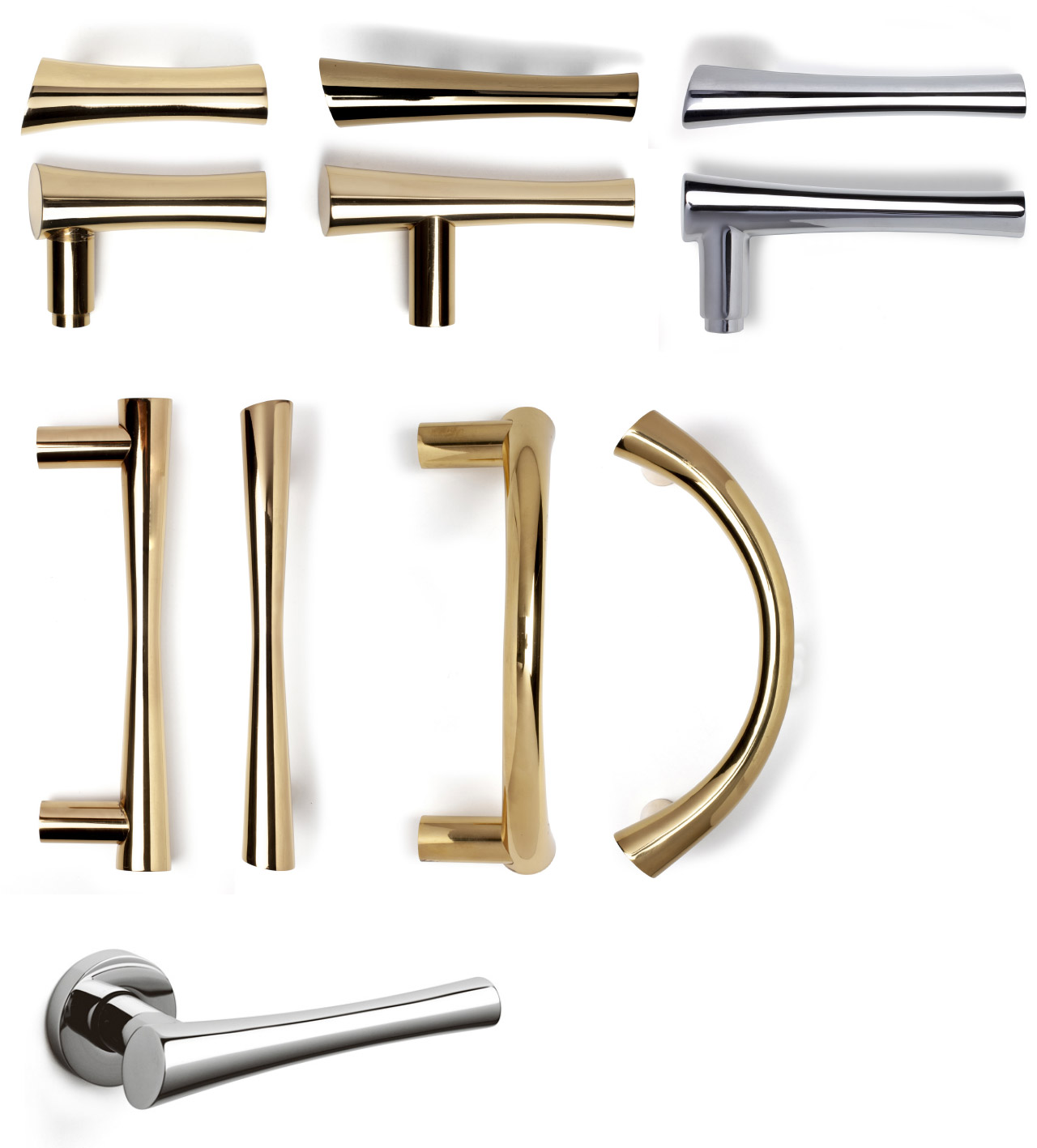
I remember going to Magistretti’s studio to talk about design of a new handle. Sitting around a big table that practically took up the entire room, he sketched the Sibilla right before my eyes. His idea was to make it an ergonomic object that also had verve. Thinking about the shape of a bone, he steadily drew one. Soon after, he began musing about how the dynamic effect he wished to obtain for the handle could be expressed by slicing off the two extremities. “Try to make a sample along the lines of these sketches,” he said to me. “Let’s see if you can express my idea.”
— Antonio Olivari
Club 1999
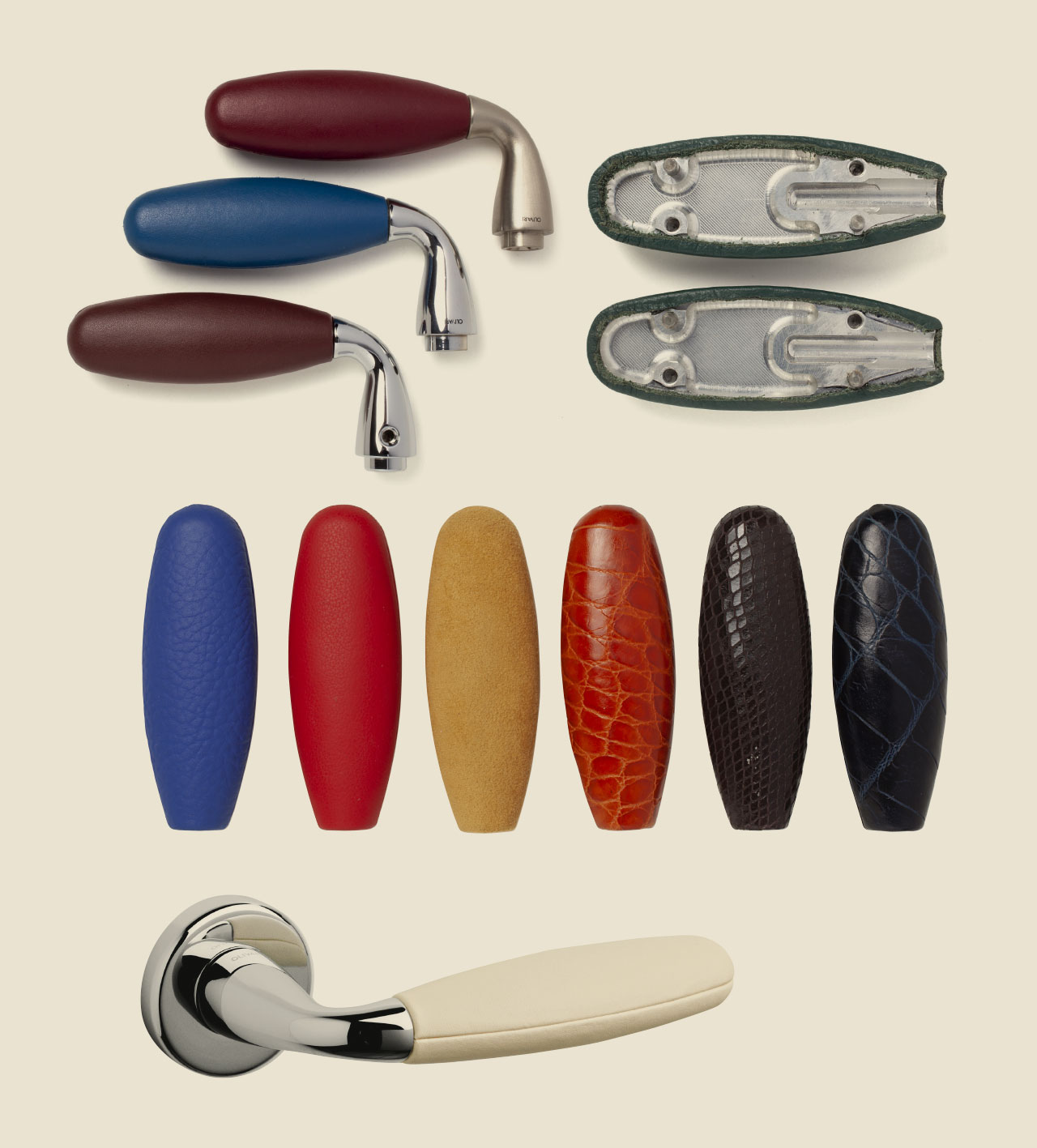
As always seemed to happen with Vico, inspiration for Club was born during conversation. Talking with him about the feeling of comfort, he came up with the idea of a leather-clad handle that would be pleasant to touch. Along the lines of industrial logic, he designed two tapered half-shells to which the leather was glued. This gave continuity to the form and allowed us to avoid the sewn seam. I immediately found the proposal very interesting and innovative, so we developed it.
— Antonio Olivari