
SIMPLE MACHINE: BIENNALE IN VENICE
26 / 08 / 2010
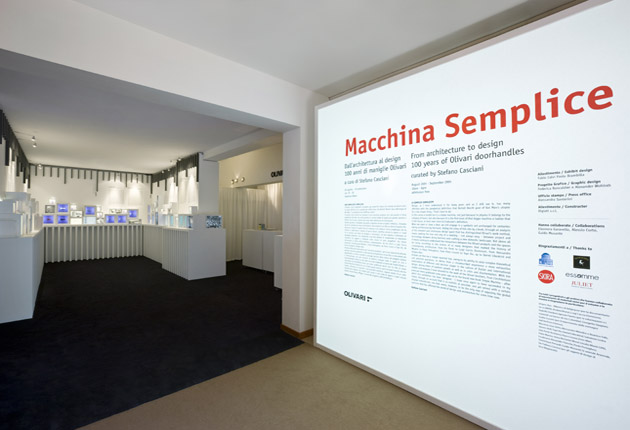
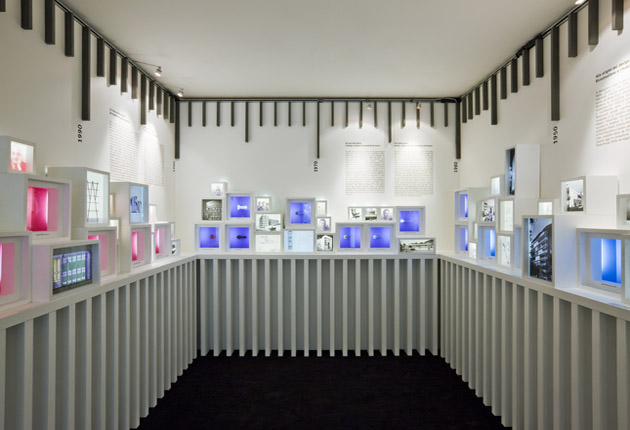
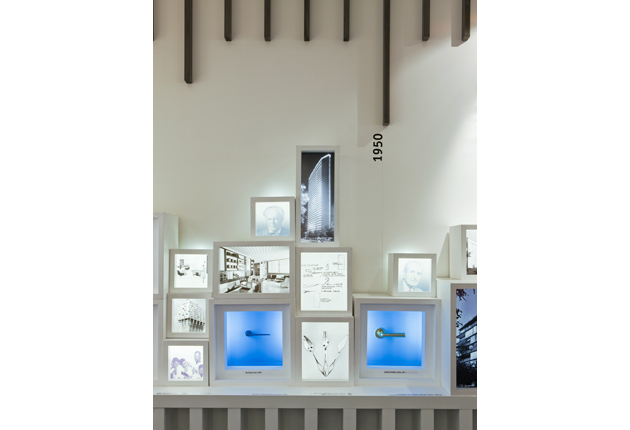
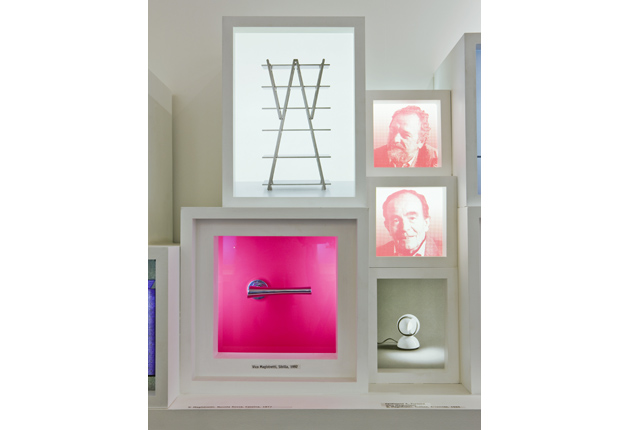
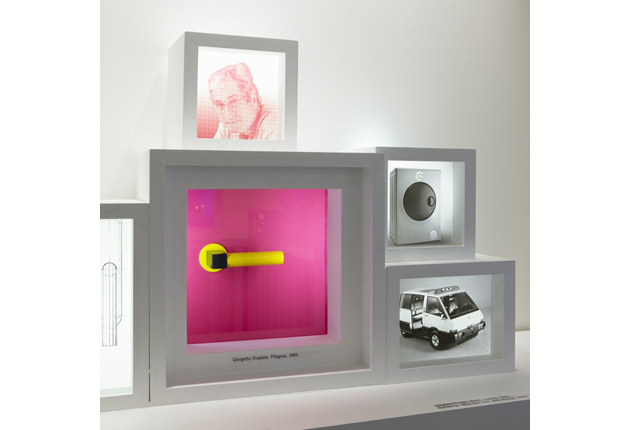
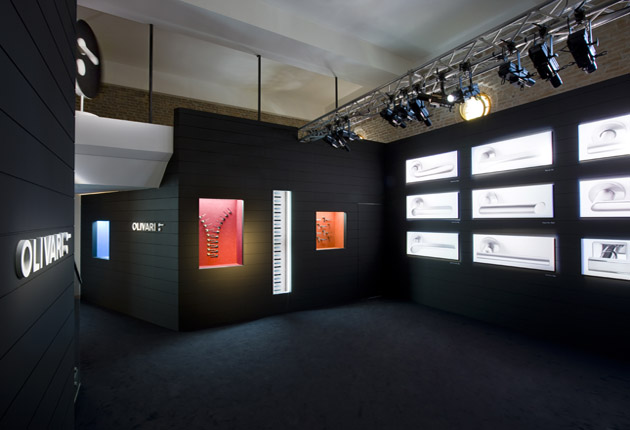
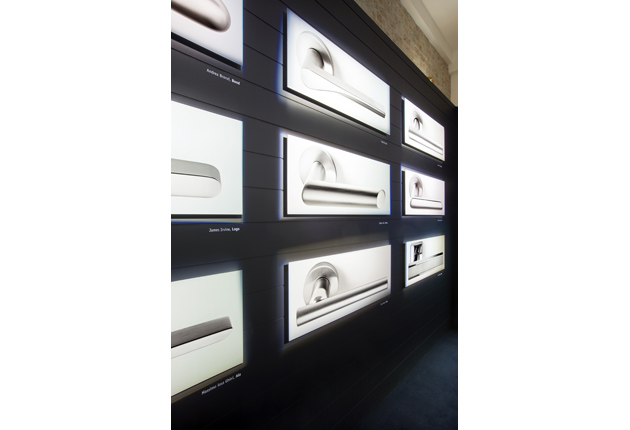
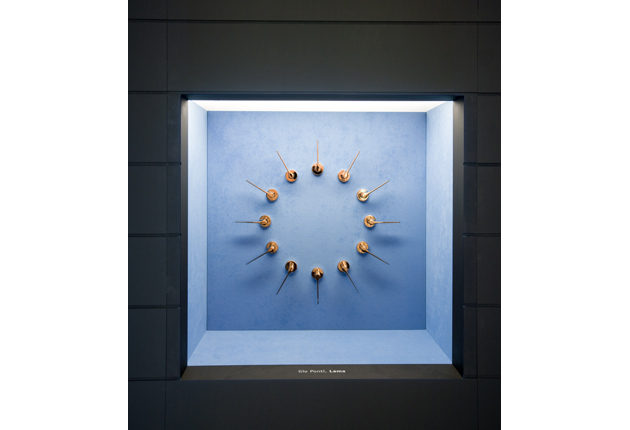
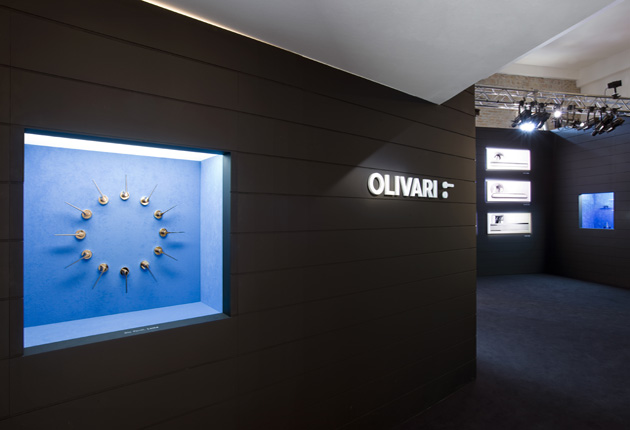
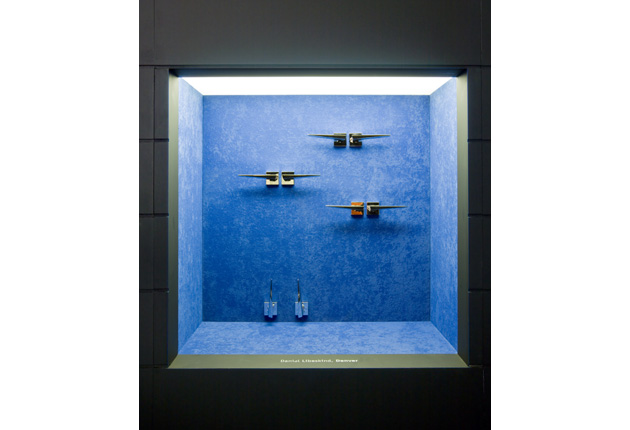
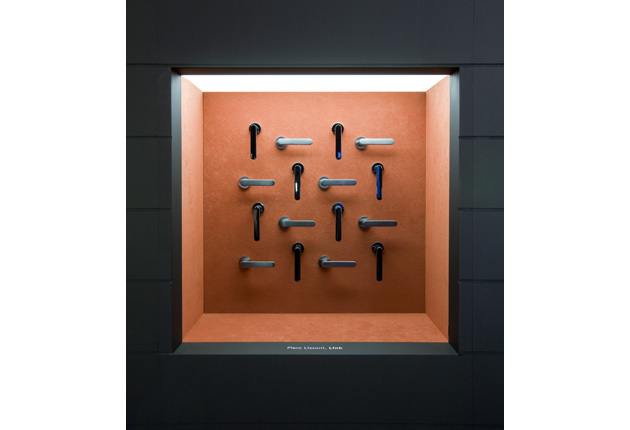
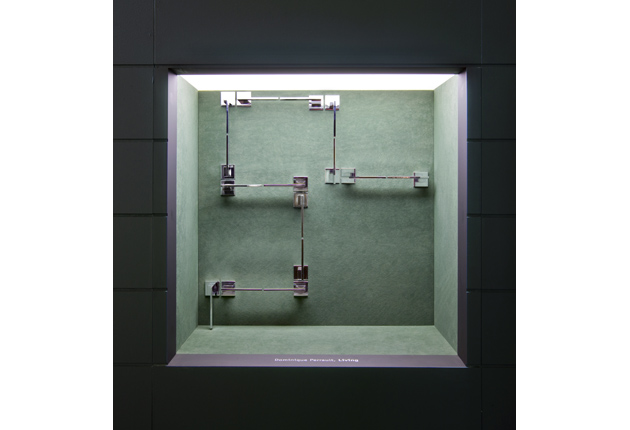
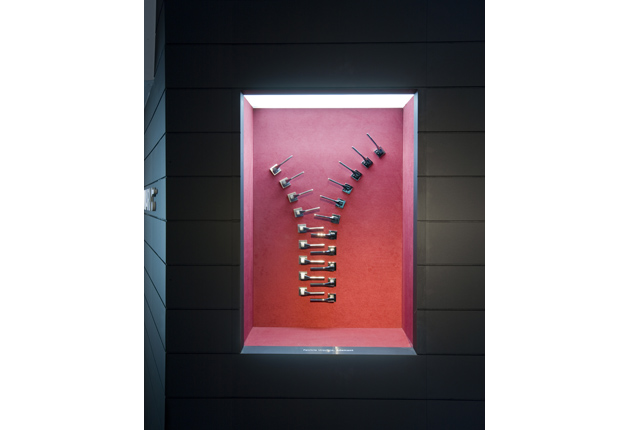
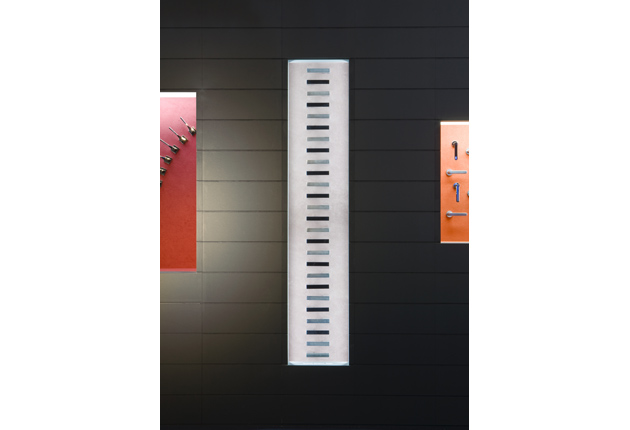
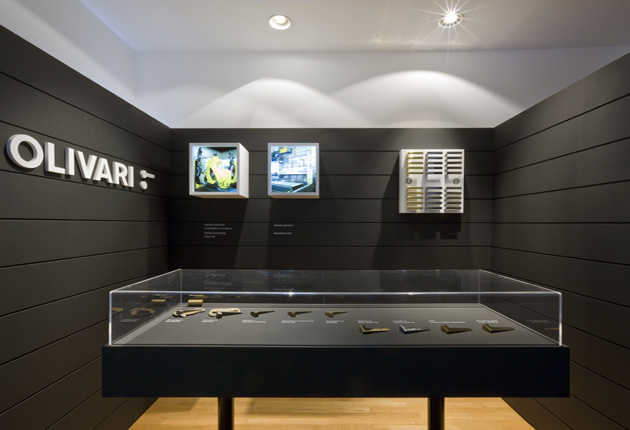
This year, the Olivari company has celebrated its 99th anniversary of manufacturing for the worlds of architecture and design. During the 12th Venice Architecture Biennial it is presenting the exhibition Simple Machine.
BIENNALE DI VENEZIA 26 August 2010 – 19 September 2010
“The doorhandle represents a diminutive concentrate of grand issues, — writes Stefano Casciani in his introduction to the book — an ergonomic instrument that can hamper or facilitate the daily use of spaces; an indispensable element in the décor, meriting days to choose just the right model for the style of the home or office; and also the only point that is formally characterized in spaces that are otherwise often anonymous, perhaps the last of the ancient bonds between building and person. When we open or close a door, we are still engaging in a symbolic act that has remained unchanged for centuries: taking the architecture by the hand. Telling the story of this rite through an analysis of the coherent and continuous design quest that has distinguished Olivari means seeking the how and why of a meeting — not always easy — between design and technology, between doing business and crafting a homescape. But above all, it means seeking to comprehend the architects’ complex ideas of living spaces – all with utopian visions to varying degrees – that have marked the history of contemporary architecture.”
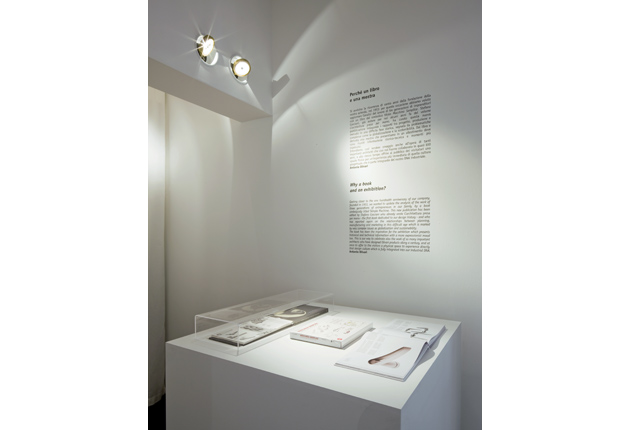
Stefano Casciani’s new book, Simple Machine, published by Skira, (a continuation and elaboration of another book he wrote for Olivari in 1992, L’architettura presa per mano. La maniglia moderna e la produzione Olivari) tells the 100-year industrial story of the Olivari company in five chapters:
1. From Handicraft to Industry. Modern architecture and the precursors of industrial design.
2. The origins of Italian design. Industrial reconstruction and rebirth.
3. The Industrial Boom years: Italian design between standard and heresy.
4. The quest for freedom: from modern to post-modern.
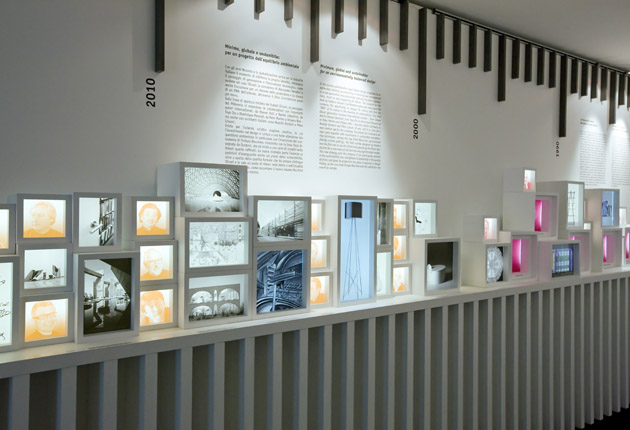
5. Minimal, global and sustainable. For an environmentally balanced design.
A conversation between the author Stefano Casciani, Antonio Olivari, the technical director at Olivari, and Alberto Alessi, his friend and the leader of the Alessi “design factory”, illustrates the development of two different design companies that are similar in many ways. The book includes a chronology of the Olivari company, a bibliography and many drawings and photographs.